Skin growths are very common. Unfortunately, not all skin growths are safe. Let Dr. Schultz examine your skin growth and determine if it needs to be removed today.



Skin growths are very common. Unfortunately, not all skin growths are safe. Let Dr. Schultz examine your skin growth and determine if it needs to be removed today.

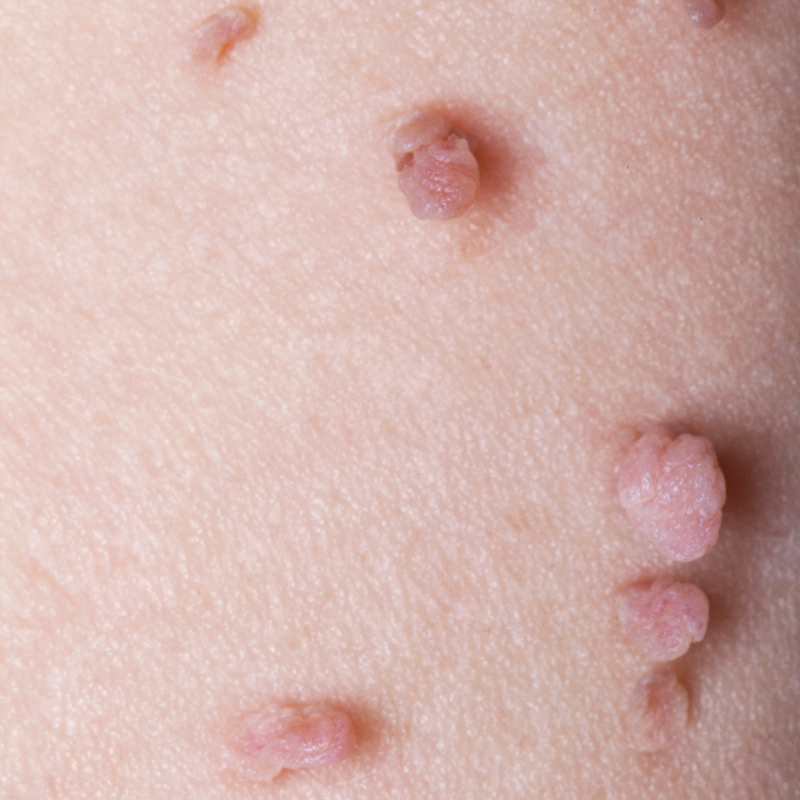
All people will experience a skin growth at some point in their life. Some commonly develop normally with age, viruses cause others, some are precancerous and the minority are already cancerous. It is important to work with an expert dermatologist to understand exactly what type of skin growth you have and whether it could be putting your health at risk. The majority of skin growths are benign, meaning they are noncancerous. However, since skin cancer symptoms can be subtle, it is important to work with a skin expert to examine, and if needed, remove and biopsy the lesion. The most common skin growths are:
No, the majority of skin growths are actually benign. That means they are noncancerous and pose no threat to your health. While it is best to monitor benign skin growths for changes over time, most can be removed in-office by Dr. Schultz. Some of the most common noncancerous skin growths include skin tags, warts, moles, cysts, and milia. During your examination, Dr. Schultz will carefully examine your skin to determine the type of skin growth(s) you have and make sure none are suspicious for malignancy. If any are he will recommend removing and biopsying it. Even if it is normal and safe to keep you may still elect to have it removed just because it bothers you either aesthetically or it is just an annoyance.
There are several methods to remove skin growths. Before any skin growth is removed, the details of the procedure will be discussed with you and all of your questions will be answered so that you know what to expect. Depending on type of skin growth you have and where it is located, Dr. Schultz may use one of the following methods:
Depending on the size and location of the skin growth, it can take anywhere from a couple of days to two weeks to recover. If stitches were needed to close the wound, they will be removed by Dr. Schultz 7 to 12 days after the removal.
Before you leave, you will be given everything you need to care for your skin throughout the healing process. For most people, skin growth removal is a very minor procedure with no downtime and a quick recovery.
Dr. Schultz carefully examines the growth and surrounding skin of each patient before recommending a method of removal. He understands that it is important to end up with an aesthetically pleasing result, so creating minimal damage to the surrounding tissue is essential. During your procedure, your skin growth will be carefully and safely removed to minimize the chance of it growing back.
Skin growth removal appointments are usually quick and straightforward. After examining your skin growth and recommending a removal method, you can usually get it removed at the same time so you don’t need a second appointment for the removal.
You will probably receive a numbing shot to make the procedure painless and keep you comfortable. After the removal a proprietary healing ointment is applied and then a bandage or dressing is used to cover the ointment and the removal site. A supply of both the ointment and bandages are given to you to care for the removal site so you don’t need to go to the pharmacy to purchase supplies.