Come in contact with Poison Ivy? Let us care for your Poison Ivy rash immediately. Allergic reactions such as poison ivy rashes, are serious and should be treated by a professional at Par Avenue Skin Care.



Come in contact with Poison Ivy? Let us care for your Poison Ivy rash immediately. Allergic reactions such as poison ivy rashes, are serious and should be treated by a professional at Par Avenue Skin Care.

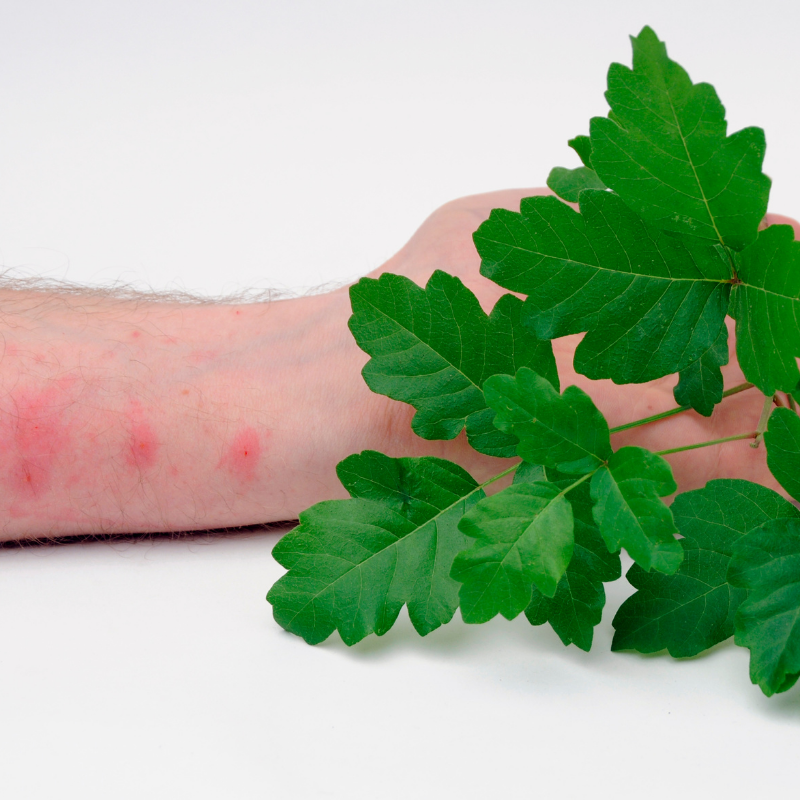
Poison ivy rashes are caused by direct contact with the oily resin from poison ivy, poison sumac, or poison oak plants. Contact through clothes, tools, or even your pet's fur can be enough to trigger an uncomfortable rash from your body's allergic response to this plant. Since the plants that cause poison ivy rashes easily blend in with other foliage, many people may not know that they've come in contact with this irritant until they begin to develop symptoms.
Most people begin to experience symptoms of a poison ivy rash within 12-48 hours of exposure. Because the resin from poison ivy, poison sumac, or poison oak plants is so irritating, it can be transmitted by touching tools, clothes, or animals who have come into contact with these plants. The most common symptoms of poison ivy rash include:
When it comes to treating poison ivy rashes, there are two types of treatments: over-the-counter and prescription. The most common over-the-counter medications include creams and lotions that work to minimize itchiness so that the individual can heal from the rash without dealing with the most frustrating symptoms. Calamine location is one of the most popular over-the-counter topicals for poison ivy rashes. Many people also experience relief from oral antihistamines, which can relieve itching and cause drowsiness. For adults and children alike, the extreme itching from poison ivy can interrupt their ability to sleep. This is what makes oral antihistamines, like Benadryl, a common treatment for poison ivy rashes. In some cases, prescriptions may be needed to help alleviate the most uncomfortable symptoms of poison ivy rashes. Depending on your condition and the size of your poison ivy rash, Dr. Schultz may prescribe corticosteroids or steroids to minimize the symptoms of poison ivy rashes.
While poison ivy rashes are common, Dr. Schultz understands how disruptive and uncomfortable this condition can be. Depending on the size and severity of your allergic reaction, working with an expert can be the best way to minimize itching, swelling, and discomfort as your body heals from poison ivy exposure. During your appointment, Dr. Schultz will carefully examine your skin to determine the level of allergic reaction you are experiencing. After your examination, you'll receive a treatment plan that may include a combination of over-the-counter and prescription medications. Dr. Schultz will also inform you about what you can expect throughout the healing process with the aid of these medications.