Rashes can go from itchy to embarrassing and frustrating fast. Dr. Schultz and the team work diligently to diagnose and treat rashes to give you relief from discomfort and aesthetic concerns.



Rashes can go from itchy to embarrassing and frustrating fast. Dr. Schultz and the team work diligently to diagnose and treat rashes to give you relief from discomfort and aesthetic concerns.

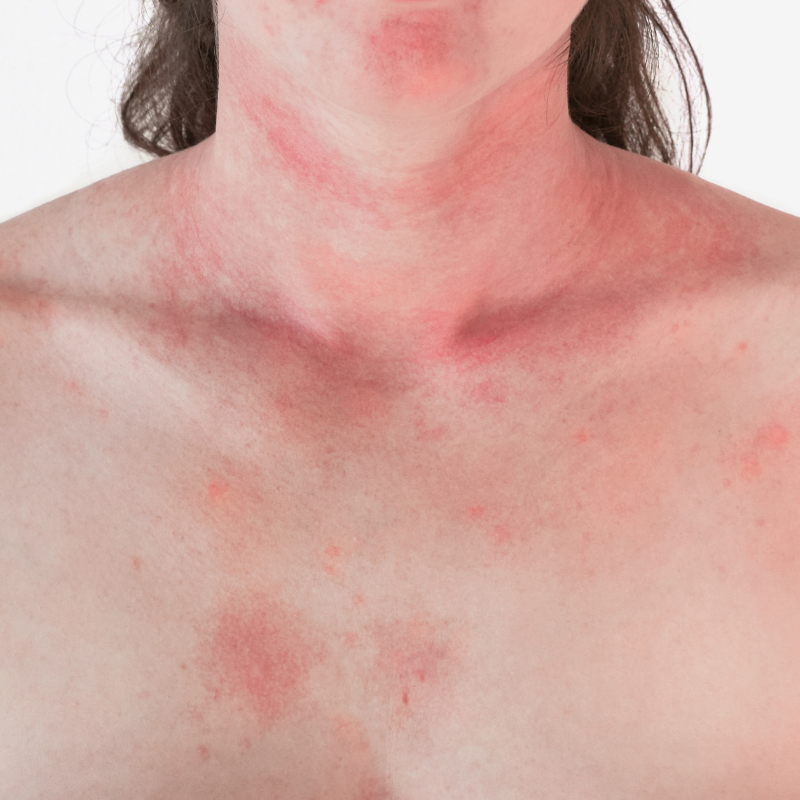
A rash is an area of skin irritation or swelling that is associated with redness, itchiness, and flaking. Rashes are common in children, but many adults can also experience rashes as a result of allergic reactions, exposure to irritants like chemicals or poison ivy, or even from temperature changes! Rashes develop as your body attempts to protect itself. After coming into contact with an allergen or irritant, it may take hours to days for the rash to develop. Once established, rashes may dissipate on their own or with medical intervention. In some cases, rashes may require long-term treatment to manage.
There are many types of rashes, some are caused by allergic reactions while others develop secondary to other conditions. As NYC's top dermatologist, Dr. Schultz has over 35 years of experience identifying and treating rashes. Some of the most common types of rashes treated at Park Avenue Skin Care include:
Rashes are associated with a wide variety of symptoms, which can develop to varying degrees. The most common symptoms of rashes that Dr. Schultz treats include:
While rashes are an uncomfortable condition, there are many great treatments available. Depending on the type of rash you are experiencing, Dr. Schultz may recommend one of the following treatments:
With over 35 years of experience, Dr. Schultz has become the Upper East Side's go-to dermatologist for the best care for common to chronic rashes. Once you arrive at our modern, clean office, Dr. Schultz will meet you and begin a thorough examination of your skin. After discussing your symptoms, concerns, and skin history, Dr. Schultz will create a diagnosis and appropriate treatment plan. Using his years of experience and access to the best technology, Dr. Schultz may recommend a combination of treatments to manage your rash and alleviate the most uncomfortable symptoms.
Dr. Schultz takes the time to carefully examine the areas affected by rashes, as well as areas of healthy skin. After a detailed discussion of your symptoms, history, and potential causes of the rash, you'll learn which treatment option is right for you. For most people, rashes can be managed using conservative methods – like oral antihistamines and topicals. However, it is important to work with an expert like Dr. Schultz to ensure that you are receiving the best treatment for common to chronic rashes.